
Introducing Wound and Burn Centers of America, the global leader in comprehensive wound healing services. Led by Dr. Hajhosseini, a world-renowned physician and burn injury specialist, our centers provide exceptional care and advanced burn injury treatment in Los Angeles. At our flagship office in Southern California, we collaborate closely with some of the nation’s top specialty providers at Cedars-Sinai Medical Center, UCLA and University of Southern California to manage some of the most challenging complex wounds and burn injuries. Choose us for unparalleled expertise and unwavering dedication to excellence.
About Burn Injuries
Burn injuries are a result of skin and tissue damage caused by thermal or other acute exposures. Common causes include fire, scalding liquids, steam, hot surfaces, chemicals, radiation, electricity, and sun exposure. Burn injuries range from first-degree burns, affecting only the outer layer of skin, to fourth-degree burns, which can involve deeper tissues. Untreated burns can lead to infections, fluid loss, breathing problems, and scarring. At Wound and Burn Centers of America, we specialize in managing the full spectrum of non-life-threatening burn injuries, with innovative therapies and a focus on optimizing outcomes.
Signs & Symptoms Of Burn Injuries:
- Redness, pain, and dryness at the burn site (first-degree burn)
- Redness, blistering, swelling, and pain at the burn site (second-degree burn)
- White or blackened, charred appearance at the burn site (third- and fourth-degree burns)
- Absence of feeling in the burn area (third- and fourth-degree burns)
- Infections, sepsis, and low body temperature (if left untreated)
- Scar formation and contractures affecting form and function

Our Approach To Burn Injury Treatment
At Wound and Burn Centers of America, we take a comprehensive, non-surgical, minimally-invasive approach to treating non-life-threatening burn injuries. Following the latest management guidelines, we employ a series of wound healing measures tailored specifically to any burn injury. Our treatment protocol includes specialized burn dressings, debridement to remove dead skin and tissue, and strict infection control protocols. We create an ideal wound environment to optimize healing and promote recovery.
To address even the most challenging burns, we leverage innovative technologies and products available exclusively at our practice. These cutting-edge measures encompass Hyperbaric Oxygen Therapy, laser therapy, bioengineered skin and soft tissue substitutes, non-surgical skin grafting, growth factor-based therapies, and stem cell treatments. In complex cases that require extensive surgical intervention, we collaborate closely with our esteemed colleagues specializing in plastic and reconstructive surgery for optimal patient outcomes.
To ensure the best possible results, we emphasize regular, weekly follow-ups and continuous wound assessments. This allows us to monitor progress closely, make necessary adjustments to the treatment plan, and provide ongoing support to our patients on their healing journey.
What causes burn injuries?
A burn injury can be caused by various factors. The most common culprits are thermal sources like fire, scalding liquids, steam, and contact with hot surfaces. Additionally, burns can result from exposure to chemicals, such as acids, drain cleaners, or cement, and radiation, electricity, and even sun exposure, specifically ultraviolet (UV) light. It is important to be aware of these potential causes and take necessary precautions to prevent burn injuries.

What is the toll of burn injuries?
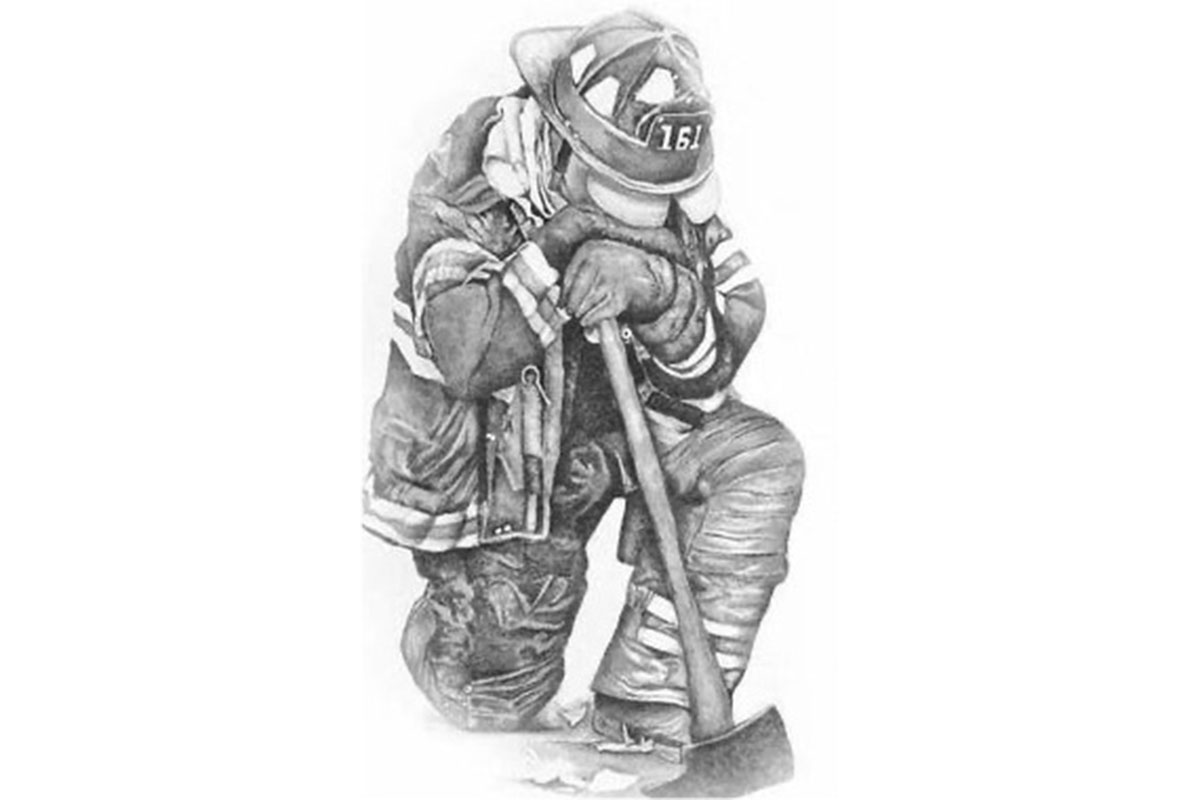
The toll of burn injuries is profound and far-reaching. Each year in the United States, more than 500,000 “serious” burn injuries necessitate medical treatment. These injuries can lead to severe physical, emotional, and social consequences. They may result in depression, disability, permanent disfigurement, scarring, loss of limb, and even loss of life. Rehabilitation efforts often extend throughout a lifetime, imposing an immeasurable socioeconomic burden on both affected families and society as a whole.
What happens if a burn injury is left untreated?
If left untreated, a superficial burn injury can progress and become deeper. Untreated burn injuries can lead to local infections, sepsis (bloodstream infection), fluid loss, hypothermia (low body temperature), respiratory issues, and the formation of scars and contractures that can impact appearance and functionality. Timely and appropriate treatment is crucial to prevent complications and promote optimal healing.

What are the types of burn injuries (burn classifications)?
- First-Degree (Superficial):
- Second-Degree (Partial-Thickness):
- Third-Degree (Full-Thickness):
- Fourth-Degree:
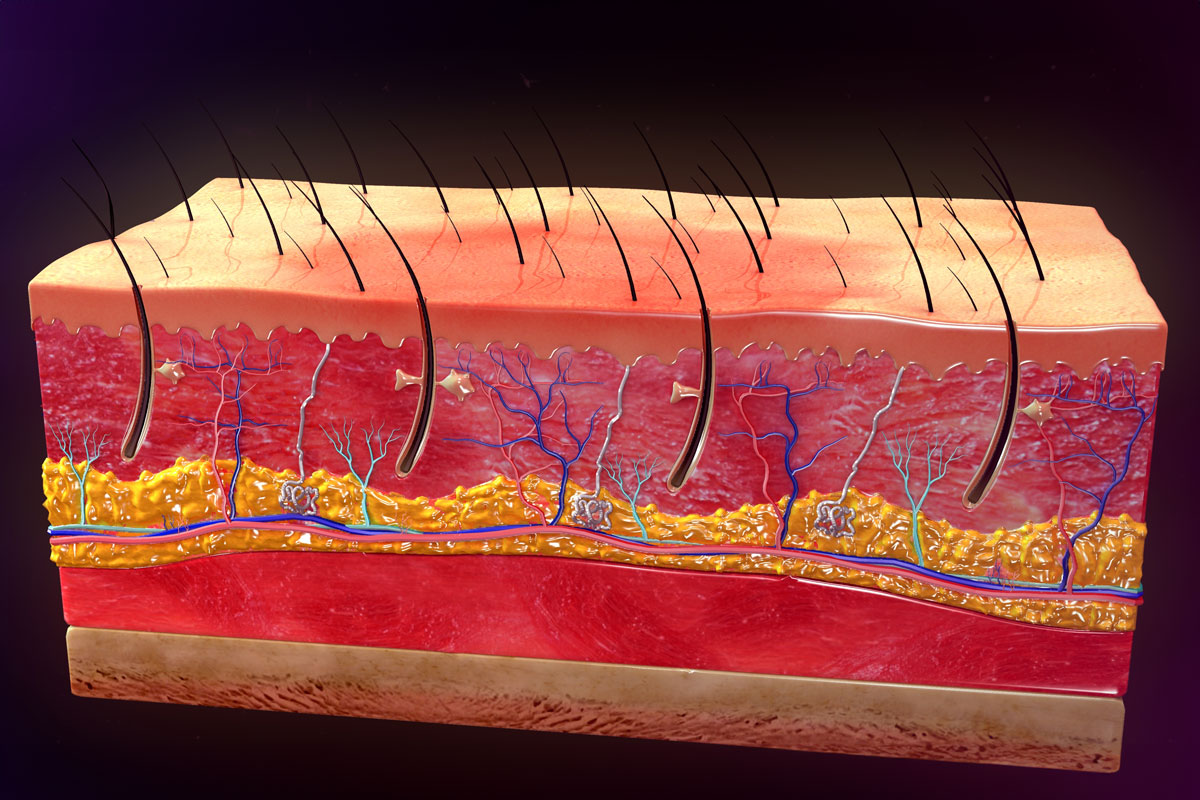
Affects the outer layer of skin (epidermis). The burn site appears red, painful, dry and does not have blisters. Mild sunburn is an example. Long-term tissue damage is rare, but changes in skin color may occur.
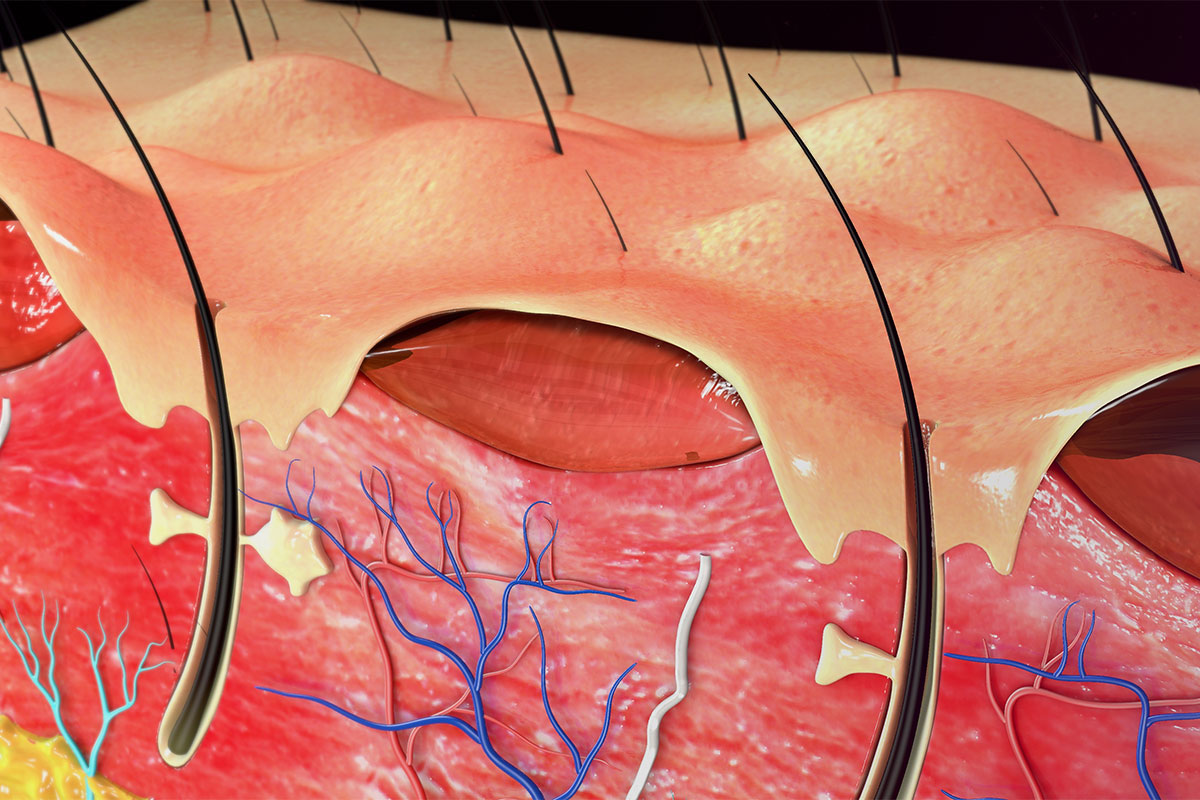
Involves the epidermis and part of the lower layer of skin (dermis). The burn site appears red, blistered, swollen and can be painful.

Destroys the epidermis, entire dermis, and may reach the innermost layer of skin (subcutaneous tissue). The burn site can appear white, blackened, and charred. Nerve endings are destroyed, resulting in no feeling in the area.

Reaches deeper tissues, potentially including muscle and bone. The burn site appears charred, and nerve endings are destroyed, resulting in a loss of sensation in the affected area. These burns are severe and require immediate medical attention.
Burn Injuries FAQs
How Long Does It Take for a Burn Injury to Heal?
Healing time depends on burn depth: first-degree burns often heal within a week, second-degree burns can take two to three weeks, and third- or fourth-degree burns may take a month or longer and often require ongoing specialized care. A burn specialist can give a more accurate healing timeline after evaluating the wound in person.
What's the Difference Between Treatment at a Burn Center and an Emergency Room?
An emergency room typically stabilizes a burn and manages acute risk, while a dedicated burn center manages the full recovery process, including long-term wound care, scar prevention, and advanced therapies like hyperbaric oxygen. Wound and Burn Centers of America, based at Cedars-Sinai Medical Center in Los Angeles, focuses specifically on this longer-term, non-life-threatening burn recovery process.
Do All Burns Require Skin Grafting or Surgery?
No. Many burns can be managed with non-surgical approaches such as specialized dressings, debridement, and advanced wound therapies. Surgical grafting is typically reserved for deeper third- and fourth-degree burns or cases where non-surgical healing has stalled.
What Is a Burn Contracture, and How Is It Prevented?
A burn contracture is a tightening of skin and underlying tissue as a burn heals, which can restrict movement and function, particularly near joints. Prevention typically involves early wound management, scar-focused therapies, and close monitoring throughout the healing process to catch tightening before it limits mobility.
Are Chemical Burns Treated Differently Than Thermal Burns?
Chemical burns often require immediate removal of the causative substance and irrigation before wound care can begin, whereas thermal burns are managed primarily through cooling and wound protection from the outset. Despite this initial difference, both types are typically treated using similar debridement and dressing protocols once the wound is stabilized.
How Is Pain Managed During Burn Wound Care?
Burn pain is typically managed through a combination of topical treatments, appropriately timed dressing changes, and, when needed, prescribed pain medication during the active healing period. Minimizing pain during treatment is also a key reason non-surgical, minimally invasive approaches are prioritized when appropriate.
Do I Need a Referral to Be Seen by a Burn Specialist in Los Angeles?
No referral is required to be evaluated at Wound and Burn Centers of America. The practice accepts self-referrals as well as referrals from Cedars-Sinai providers and other physicians.
Is Burn Injury Treatment Covered by Insurance?
Yes, most burn injury treatments are covered by Medicare and major commercial health insurance plans. Wound and Burn Centers of America is in-network with most leading plans and can help verify benefits before treatment begins.
How Often Will I Need Follow-Up Visits During Burn Treatment?
Burn injuries are typically monitored with weekly follow-up visits so the treatment team can assess healing progress and adjust the care plan as needed. This regular monitoring helps catch complications early and supports better long-term outcomes.
What Research Has Wound and Burn Centers of America Contributed to Burn Care?
Dr. Hajhosseini has led a multi-center randomized controlled trial comparing early versus late excision and grafting for intermediate-depth burns, studying long-term scarring, patient outcomes, and treatment costs. This research is part of why the Los Angeles-based practice is recognized for shaping current burn management guidelines rather than simply following them.
Why Choose Wound and Burn Centers of America
for Burn Injury Treatment in Los Angeles?
Wound and Burn Centers of America stands out as the premier choice for burn injury treatment in Los Angeles and worldwide. We don’t just follow advancements in burn management; we have actively contributed to their development. Our board-certified wound healing specialist has led a groundbreaking, multi-center randomized controlled trial comparing early and late excision and grafting of intermediate-depth burn injuries, focusing on long-term scar characteristics, patient-centered outcomes, and treatment costs. We are the first providers of wound healing services in the United States to be led by board-certified wound-healing specialists with distinctive fellowship training in both major branches of the specialty: “Complex or chronic Wounds” as well as “Burn Injuries”. To receive exceptional care from pioneers in the field, schedule an appointment with Wound and Burn Centers of America today.
